What is Speech Therapy?Speech therapy is an aspect of mental health and rehabilitation service that has a wide range of benefits and uses. It involves the detailed assessment and treatment of speech problems, speech disorders, communication issues, and retraining. Speech therapists are trained in the art of identifying, analyzing, assessing, and managing speech and language disorders.What Happens During a Speech…
Understanding Deliberate Self-Harm
DSH or Deliberate Self-Harm, is a condition seen in people of all ages and genders. It is on the rise, especially in the younger generation.
While DSH is seen as a post-trauma response, it is in theory happening for many reasons.
The important thing to know about DSH is that it is deliberate, but not with suicidal intention. Suicide is when an individual harms themselves intending to die, so any suicidal injury comes under that umbrella. But DSH is a non-non-social injury, where the individual, does not intend suicide but seeks relief or other secondary gains.
DSH and therapy
Any client coming in with DSH would undergo an extensive clinical interview to help determine the reasons/attachments they have with self-harm. By attachment, we mean how each individual attaches meaning to certain actions and uses it as a way to gain control over an uncontrollable situation.
So step one is always to try and identify these patterns of what lead to self-harm and its consequences, the maintaining factor, and any triggers that can be identified. The overall goal of therapy is to break these associations and teach the individual to healthier coping mechanisms.
DSH and its Associations
Secondary gains are the biggest maintaining factor that pushes an individual to do deliberate self-harm. While associations are the biggest clue towards what secondary gain an individual gains from DSH, we also have to take into account how the pattern started, to avoid any future triggers. These are a few associations people make
1) To reduce intense emotional pain, which they find difficult to express.
2) To stop themselves from considering suicide, by using DSH as a relatively "safer way" to reduce destructive impulses.
3) To try and stop feeling numb, or empty or to escape feeling disconnected from their surroundings, which can be their defense mechanism towards anxiety.
4) To cope with loss of identity or inability to form an identity.
5) To deal with grief/ loss or failure.
6) As a form of self-punishment to ease guilt.
While these associations may provide slight relief, individuals tend to forget the harmful tendency of DSH and enter a cycle of self-harm.
DSH in Teenagers
There has been an increase in DSH incidence in teenagers and young adults. Many cases are followed by underlying mental health conditions as well. Correct diagnosis becomes an important element when working with DSH.
Children and adolescents don't learn in terms of once and for all. They learn of "now and then again", and still again. So when working with teenagers we have to focus on getting their cooperation. Teenagers in particular are heavily influenced by the environment, the idea of a perfect identity, peer pressure and family support.
In many adolescents, the triggers can be peer pressure, stress, grief, past abuse or family environment. Research has identified many risk factors, some of which are:
- Poor self-esteem
- Impulsive decision making
- History of violence/abuse
- Having perfectionist tendency
- Poor coping methods
- Unsupportive/ abusive environment
- Isolation/withdrawal
- Underlying mental health condition
Involving parents
We need to remember that self-injury is a behaviour, and adolescents who engage in self-injurious behaviour are still at risk for suicide.
The need to involve parents is due to their involvement in the pattern of DSH. While monitoring the child's behaviour is an important reason, it has been more important to understand what role parents play in the DSH cycle or if they are part of the trigger.
Parental counselling also takes place, to help parents understand the behaviour, its reasons, factors that maintain it, and how to help children reduce this behaviour. We help parents reinforce good behaviour and discuss bad behaviour.
At UDGAM
Our specialists at Udgam take DSH as a serious behaviour, while working on underlying mental health issues, our priority is to help individuals stop DSH. We through various programs also help spread awareness in parents/schools to identify signs of DSH and how to enhance communication within the family.
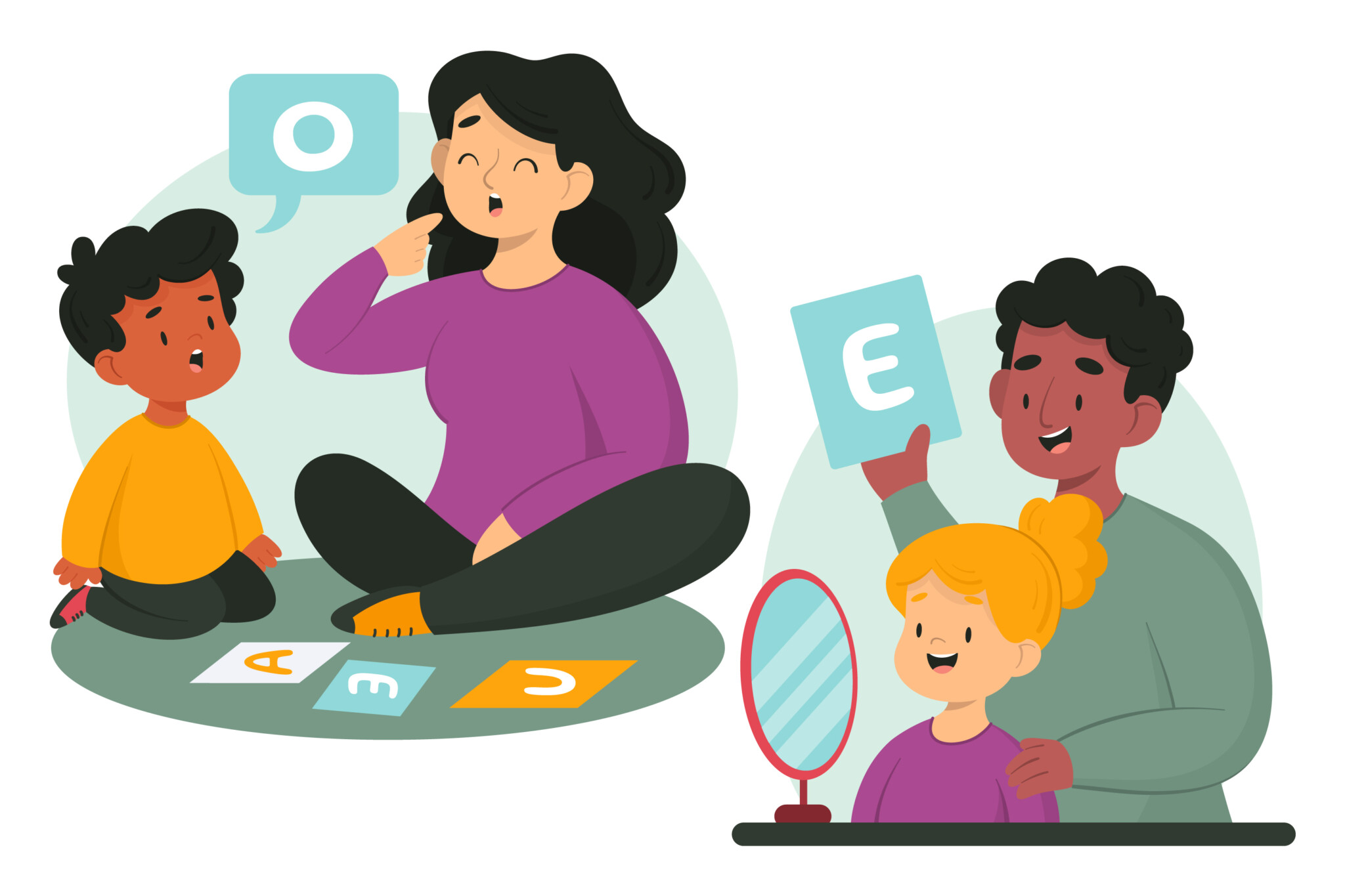
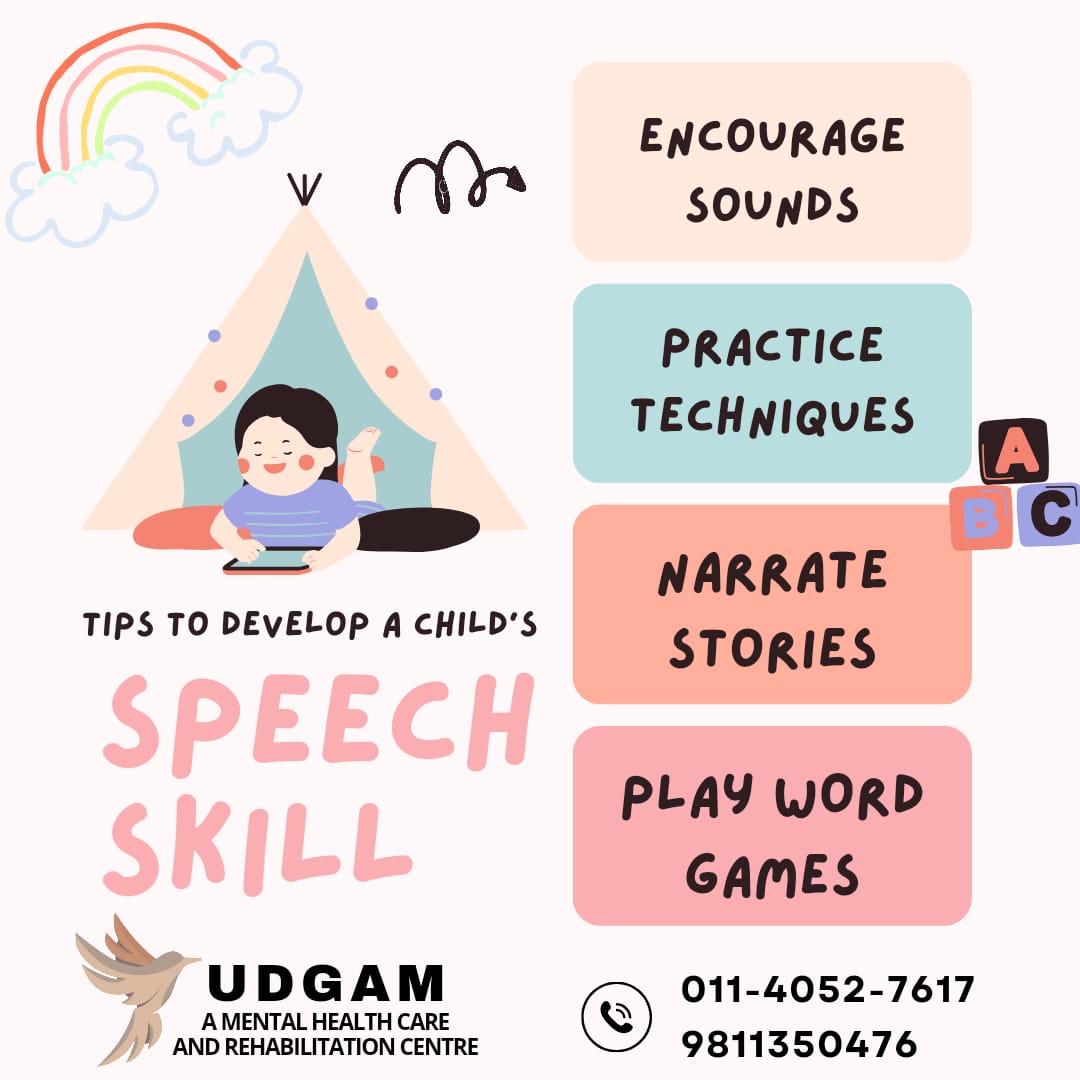
Speech Therapy for ChildrenWho are Speech therapists?Speech therapists are trained in the art of identifying, analyzing, assessing, and managing speech and language disorders. It involves the detailed assessment and treatment of speech problems, speech disorders, communication issues, and retraining. During the therapy, the speech and language therapist interacts through talking and playing and using picture cards, books, and other objects…
Introduction to Childhood OCDA common myth is that if an individual is very tidy, and organized, doesn’t like others messing up their space, and is strict about cleanliness, then they have OCD. OCD as a disorder has more to do with the disruption of one’s time than cleanliness. In obsessive-compulsive disorder, as the name suggests, an individual tends to do…
Psychology and Psychiatry: two peas in a Pod?Medical sciences and other areas have established their roots since the beginning, people used to refer to the practitioners as healers and then went ahead with doctors in modern times. But years since that development, various fields have emerged in medical sciences, one such field is psychiatry.What is Psyche?To explain what the field…
Teaching Your Child Psychology?Even after reading multiple health-related blogs and articles, we always come down to the need to expose these areas to children. In modern society, we tend to want to protect our children from everything, let them have absolutely no stressors and maintain a stable life.But life does not work that way, even with a textbook stress-free life a child can…
Features of ASDAutism Spectrum disorder is a neurodevelopmental disorder that affects communication, and social relationships. There is also a tendency to repeat movements, behaviour, and gestures. It is termed a spectrum because it has a different range of severity of dysfunctionality. (Asperger’s syndrome, childhood disintegrative disorder, and an unspecified form of pervasive developmental disorder.) The symptoms can appear before one…
Psychiatry Online ConsultationThe awareness of mental health has increased exponentially in the past decade. And another thing that has grown just as quickly is online medical consultations. Due to the nature of work, psychiatrists preferred meeting the patients face to face before prescribing any medications. But in recent years especially after the pandemic, the use of online modes of the…
The Cycle of Self-HarmPsychological disorders and their additional features, all occur in a wide spectrum, no two cases are the same, nor do they remain the same throughout the journey. If you plant a single case on a graph, there will not be a consistent pattern. Humans change with time, this change can be drastic or gradual, or impactful or…
Psychology of IntelligenceWhat is Intelligence?The theory of natural selection has been famous for decades, it states that organisms who adapt to the changing environment survive better. This means that the genetic structure of that organism will pass to the progeny. So if one organism is capable of surviving the current climate, chances are that organism will be able to produce more progeny,…